Master Plan
Understanding the Tangled Up in Green Master Plan — Where Landscape Came Before Land Division
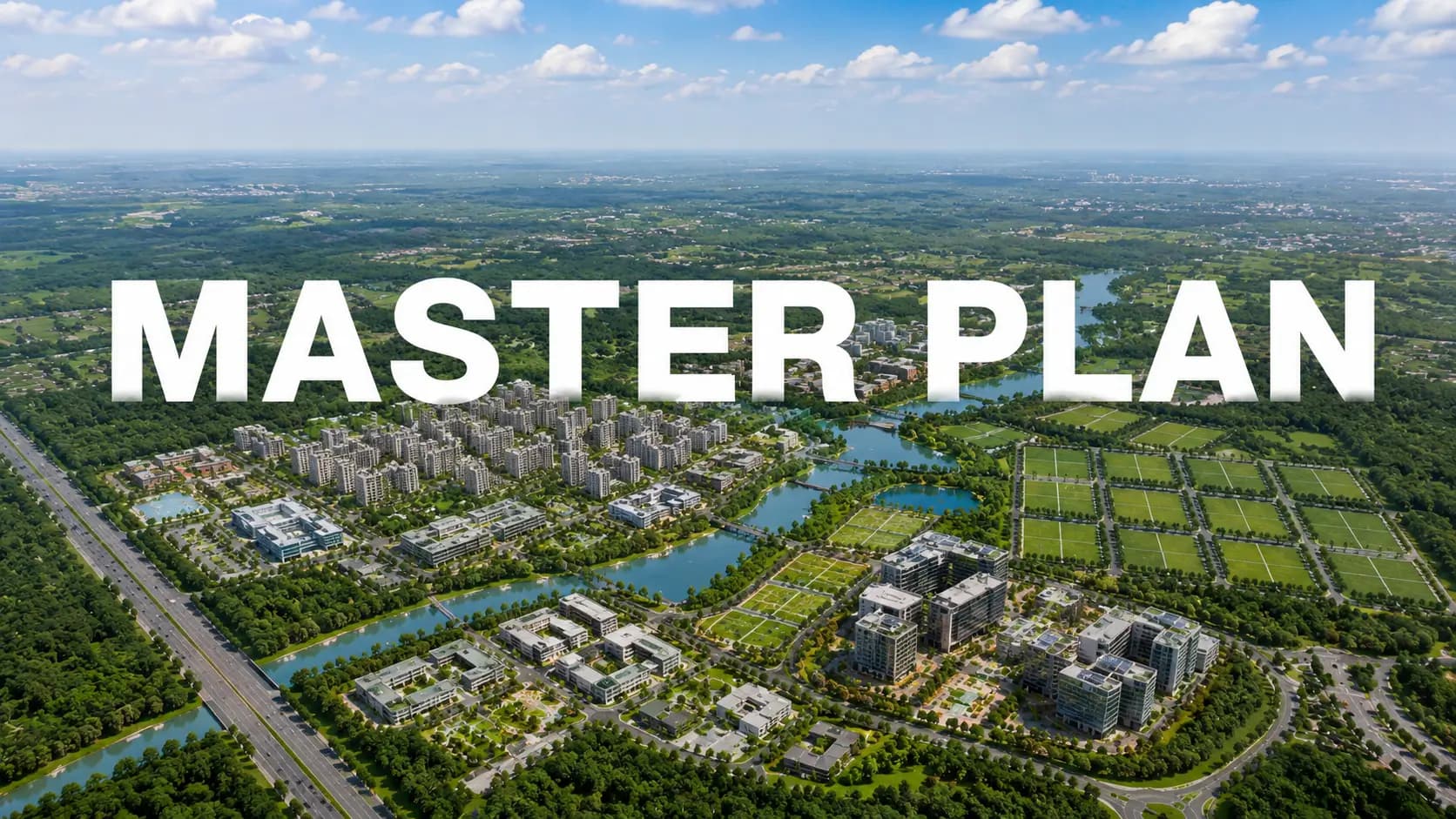
The master plan is the most honest document you can get in any real estate undertaking. It shows what the developer really values in a way no brochure, price sheet or marketing campaign can. The design team began with a spreadsheet that would calculate how many plots they could get out of the parcel of land? Or did they begin with the land itself, find its shape, count its trees, see where the monsoon waters ran on the surface, where the morning sun first fell, where the evening shade stayed longest? If you read the master plan you have the answer.
Tangled Up in Green's master plan answers the questions very well. The first lines drawn by the internationally recognised design practice commissioned by Total Environment to produce the masterplan were not plot lines or road centre lines. landscape elements: the 8-acre preserved eucalyptus forest on the 115-acre site; the central green spine that will become the community’s main landscape and movement corridor; the Tree Museum that will celebrate native and heritage tree species as a curated outdoor experience; and the network of pedestrian pathways and cycling tracks that will allow residents to move through the whole of the estate free of any vehicle encounter in this case.
Only after the green and recreational assets were incorporated into the plan, their locations, sizes, and relationships to each other carefully demarcated, did the architects start to fit the 968 housing lots into and around the landscape framework.
The Tangled Up in Green layout plan is unlike any other plotted township master plans Bangalore has come out with in recent memory, because of the inversion of normal sequence of development A simple revenue sharing process in a plotted format, and the Devanahalli corridor has seen dozens of such developments in the last decade. The developer employs a surveyor who demarcates a grid of roads of minimum permissible width and cuts maximum number of plots permissible as per the setback norms. The least attractive part of the site (corner with drainage problems, strip along boundary wall) is designated “open space” in order to meet the regulatory requirement. Construct a guardhouse at the gate. The layout is complete, the developer said.
The landscaping is basically a few saplings planted in the medians of the roads that will probably not survive the first summer. This means that a development that looks well planned on the surveyor's map is, within two or three years of the first residents moving in, cramped, car-dominated and visually monotonous on the ground.
This is the biggest plotted development not only in Devanahalli corridor but in Bangalore and it is spread over a massive 115 acres and 16 guntas. More than 60% of the total land area will be non-saleable common infrastructure such as roads, pedestrian pathways, the central green spine, the eucalyptus forest, the Tree Museum, amenity zones, landscaped buffer zones between clusters and distributed green pockets in each of the residential clusters, designed by Total Environment and Shibanee & Kamal Architects, a community.
So for every square foot of lot area you sell, there's about 1.5 square foot of community landscape, shared infrastructure and common green space around it. If you are a buyer looking at open space villa plots Bangalore, this is the ratio that matters the most – because it decides how much sky you see when you step out of your villa, how many trees you see in your view and how close will your home be to your nearest neighbour.
The Central Green Spine — A Landscape Corridor, Not a Road Median
Every great neighborhood has a heart, a place where people want to leave their homes and come together to experience something. That heart is the central green spine in Tangled Up in Green, a continuous landscaped boulevard that runs the length of the development linking each residential cluster to the grand clubhouse, the Tree Museum, the amphitheatre with its stepped seating, the cycling tracks and the 8-acre eucalyptus forest.
What the central green spine is not is an important piece of information. It is not a road median with grass and U-turn breaks. It’s not a skinny park jammed between two lanes of traffic. It’s a landscape corridor that’s about 30 to 40 metres wide in parts – wider, in places, than many Bangalore residential roads are long. The corridor is planted with a curated palette of native canopy trees selected for shade density and climate resilience, ornamental mid-storey species chosen for colour and seasonal interest and dense ground-cover plantings that will knit together into a continuous green carpet over the next three to five years. Planting includes water features – not decorative fountains but designed water bodies that serve both aesthetic and stormwater management functions – seating alcoves constructed from natural stone, art installations commissioned for the community and gathering nodes for informal community interaction.
The central green spine in plotted developments of this scale is non-existent in the current market in Bangalore. Most planned layouts, and even layouts by reputable developers, assign the common green space as one park at one end of the layout – a space that residents on the other end rarely use as it takes a car trip.
At Tangled Up in Green the spine runs through the centre of the development and every cluster has a direct pedestrian connection to the spine. That means every resident of a cluster, whether they live on the far northern edge of the 115-acre estate or on the southern boundary, is no more than a two to three minute walk from the central shared landscape of the community. The spine is felt every day, not just sometimes.
The spine becomes the main movement corridor for the pedestrian community. There is a dedicated jogging trail through the landscaped areas, under the developing tree canopy. A dedicated cycling track – separate from the roads, not a painted lane – connects the clusters to the clubhouse, the forest and the recreational zones. Along the spine seating alcoves and community gathering nodes offer chances for chance encounters, evening conversations and weekend socialising.
For children the spine is a safe car-free environment where they can walk, cycle and play under the watchful eye of the community. The spine is the connective tissue that turns 968 individual plots into a true neighbourhood for the whole community.
The spine also has an easy-to-forget but important long-term function in the ecological environment. The spine creates a continuous planted corridor from the eucalyptus forest at one end of the development to the perimeter landscaping at the other, establishing an ecological corridor - a habitat link supporting bird movement, butterfly populations and ground level ecological activity across the entire 115-acre site. This is no incidental greenery. It’s intentional ecological design, a commitment to biodiversity that most developers wouldn’t even think of, and far fewer would finance, since it produces no direct revenue.
Cluster Planning — The Art of Making a Large Community Feel Intimate
The second basic design concept of the Tangled Up in Green plotted layout is cluster planning - the clustering of 968 plots into small clusters of 12 to 24 plots each, instead of the long, repetitive rows along arterial roads that define conventional plotted developments.
Tangled Up in Green’s cluster model provides one road per cluster that ends in a cul-de-sac, a dead-end street with a turning circle. The only vehicles coming into the cluster are those that belong to the 12 to 24 families that live there and their guests. Through traffic, impossible, not only discouraged. Delivery trucks servicing the community are given service routes that bypass residential clusters. All plots are accessible to emergency vehicles, but no one else has any business going into a cluster that is not their own.
It is a radically different acoustic, safety and social environment to that of a grid layout. In each cluster the streets are quiet, quiet enough to hear the birds in the tree canopy, quiet enough for children to play on the cobbled road, quiet enough for residents to have a conversation across their front gardens without raising their voices. The safety profile is changed – no through-traffic, vehicle speeds within clusters are negligible, children can move freely between the cluster’s shared green pocket, the pedestrian pathway to the central spine and neighbouring homes.
The social dimension of the cluster is also important. A group of 12 to 24 families is large enough to build genuine neighbourly bonds – shared festivals, impromptu barbecues, children forming friendships that last throughout their school years – and small enough to preserve the privacy that villa plot owners appreciate. Total Environment has found that this scale – not so intimate that one difficult neighbour dominates the social dynamic, not so anonymous that you live among hundreds of strangers – creates the strongest, most sustainable community bonds within its apartment and villa communities.
There are no walls or fences defining the boundaries between clusters, but landscaped buffer zones (graded terrain, hedge plantings and tree lines) which visually separate the clusters, but do not compromise the open, wall-free character of the estate. This is a signature of Total Environment. No compound walls between clusters. No visual barriers between private and common. The landscape moves from cluster to cluster, from the central spine to the perimeter, in a continuous green environment that looks more like a park than subdivided land. This is the most advanced cluster planning villa plots in Bangalore - Planning for human experience, not for surveyor efficiency
The 8-Acre Eucalyptus Forest — A Commercial Sacrifice That Defines the Community
Total Environment purchased the 115-acre plot of land but the location already had an 8-acre eucalyptus grove. Mature trees, with a working micro-ecosystem, an established canopy, the kind of green density that takes decades to grow from nothing. The commercial calculus was simple, beguiling. Had the grove been cleared it would have yielded additional plots worth several crores in revenue at Rs 9,990 per square foot. For most developers it would not even be a decision but an obvious first step to site preparation. Total Environment beg to differ.
The whole 8-acre eucalyptus grove has been preserved as a living ecological area in the middle of the community. Not a fenced off conservation patch that residents can see but not enter but is highly accessible, maintained, living forest. It has walking trails winding through the trees, seating areas for reading and contemplation placed at quiet clearings, and nature education paths designed for children to learn about ecology, seasons and the interdependence of living systems.
The forest is all of these things at the same time. The dense canopy acts as a microclimate regulator, reducing ambient temperatures by an estimated 2 to 4 degrees Celsius compared to the built-up areas surrounding the development. This is a considerable comfort benefit in a city where summer temperatures rise above 35 degrees. The eucalyptus trees also help to improve air quality by creating oxygen and filtering out particulate matter, which leads to cleaner air for the entire 115 acre estate.
Manicured gardens, no matter how well designed, can’t match the forest for bird species, butterfly populations, small mammals and ecological activity at ground level. And the forest is the anchor of the community identity, the thing that gives the project its emotional resonance, and its name. When locals tell friends and colleagues where they live, it’s the first thing they say: the eucalyptus grove. That's why Tangled Up in Green doesn't feel like real estate development, it feels like a place.
The Tree Museum — A Concept Without Precedent in Bangalore
The Tree Museum, which adjoins and is conceptually linked to the forest of eucalyptus, adds another dimension of cultural and botanical value that no plotted development in Bangalore – and very few residential communities anywhere in India – can boast of. The Tree Museum is an outdoor curated space aimed at preserving, exhibiting and celebrating heritage, native and ecologically important tree species in a designed landscape setting.
It is a botanical garden, in part. Species are named, their ecological role explained and their importance to the natural history of Karnataka recorded. It is a place to learn about trees, seasons, soil health and the link between urban development and ecological stewardship for children and adults. And it is a contemplative landscape, a place for quiet walking and observation, the kind of unhurried engagement with nature that urban life systematically excludes.
The Tree Museum is not an amenity in any normal sense. No membership fee (except your community association dues) and no need to book a time to use it. It is a common intellectual and aesthetic investment, a claim that in this community trees are not the enemies of development but incentives for it. It’s also a practical investment on the long-term character of the community. “The curated species will only grow over decades and the Tree Museum will become an ever more unique, and valuable, landscape feature that no amount of retrospective planting can replicate in competing developments.
Road Design — Cobblestone, Cul-de-Sacs, and Pedestrian Independence
The movement architecture of the Tangled Up in Green site plan is worth a closer look, as it sets the tone for the day-to-day sensory experience of living here, what you see, hear and feel when you walk out your villa gate each morning.
Every interior vehicle road at Tangled Up in Green is finished with hand-laid cobblestone. Not machine-laid concrete blocks, not standard asphalt, but individually placed stone pavers that create a warm, textured, heritage-feel road surface. Cobblestone is a Total Environment signature and serves several purposes at once in this development. Cobblestone is also more pleasing to the eye. The stones develop a natural patina over time, moss grows in the joints in shaded areas and the road takes on the settled, lived-in feel of an established European village rather than the cracking and patching deterioration of asphalt. The surface is uneven and in terms of function this naturally slows traffic speeds to around 15 to 20 kilometres an hour, without the need for speed bumps or rumble strips or warning signage. The road itself is telling drivers this is a slow, pedestrian priority environment.
Cobble stones. Sound-wise, lower tire noise than asphalt at low speed. Psychologically, cobblestone is associated with walking, not driving, and this subtle shift in the community’s mobility culture away from automobile dependence.
Each cluster is linked to the central green spine, clubhouse, eucalyptus forest, Tree Museum and all amenity zones by its own network of precast concrete walkways. These are their own walking infrastructure with their own lighting, landscaping and routing, not sidewalks. This 115 acre development allows a resident to walk from any plot to any community amenity or green space without sharing a single metre of road with a vehicle. This pedestrian-first planning is at the heart of the development’s identity and one of the most visible manifestations of what a low-density plotted development in Bangalore can aspire to be when designed by architects who consider human comfort as the principal design parameter.
A third layer of movement is a dedicated cycle track running through the development on the central spine and major landscape corridors. The track is a purpose built dedicated surface not a painted lane on a vehicular road for recreation cycling and intra community commuting . Families with children can cycle as a family in the estate, and will never have to deal with motor traffic.
Sustainability Woven Into the Master Plan's DNA
Tangled Up in Green, the sustainable planned development design that incorporates ecological and infrastructure systems into the master plan, not as an afterthought or marketing add-on. Rainwater is managed by an estate-wide stormwater management system. Surface water from cobblestone roads, pedestrian pathways, and landscaped areas is collected by engineered channels and swales, filtered through natural filtration areas, and channeled into groundwater recharge areas and retention ponds at strategic locations throughout the 115-acre site. It is a way of controlling the risk of monsoon flooding, and also replenishing the local water table and providing a supplementary source of water for landscape irrigation in the dry months.
A tertiary sewage treatment plant – the highest standard of wastewater processing available in residential development – collects, treats and recycles all community wastewater to a quality suitable for landscape irrigation, significantly reducing the estate’s reliance on municipal freshwater. All utilities are underground, electrical cabling, water mains, sewage lines and fibre optic data cables. This means that the visual environment of the community is free of the visual clutter of overhead power lines, cable bundles, transformer boxes and surface mounted junction boxes. The streetscape is clean and uncluttered, with tree canopy and cobblestone dominating, not the infrastructure that supports them.
The city's sustainability framework also incorporates the use of sprinkler and drip irrigation systems, LED street lighting and planting of native and climate-appropriate trees. The irrigation systems are water-efficient, with drip lines delivering water directly to root zones, rather than spraying it into the air. The choice of native species reduces the demand for irrigation across the board, as the trees are adapted to Bangalore’s rainfall patterns and soil conditions. The use of solar-powered common area lighting (indicative) also reduces the amount of grid electricity consumed by the community.
Master Plan — Key Data
Feature | Detail |
Total Land Area | 115 Acres 16 Guntas |
Total Plots | 968 |
Plot Sizes | 1,800 / 2,100 / 2,400 / 2,700 / 3,200 / 3,600 / 5,000 sq ft |
Cluster Size | 12–24 plots per cluster |
Road Surface | Hand-crafted cobblestone |
Central Feature | Landscaped green spine + Tree Museum + 8-acre eucalyptus forest |
Open Space Ratio | 60%+ (indicative) |
Master Planning Architect | Shibanee & Kamal Architects |
RERA Registration | PRM/KA/RERA/1250/303/PR/080124/006538 |
This is the largest plotted development of 115 acres, by a popular developer, Bangalore has seen. It is not about scale for the sake of it, it is about what Total Environment and Shibanee & Kamal Architects have done with scale. They have used it to build a community where 60 percent of the land is for the landscape, not the balance sheet; where every grouping of 12 to 24 families lives in a neighborhood of village scale connected to a 115-acre park; and where the preserved forest, the Tree Museum, and the central spine give the community a character that no competing development on 10, 20, or even 50 acres can match.
Buyers looking at tree-lined villa plots in Bangalore, and premium gated plotted community Devanahalli living, are really looking for the Tangled Up in Green site plan. Not just a plot of land with trees nearby, but a plot of land in a well-designed landscape where the trees, the cobblestone, the forest and the community infrastructure are inseparable from the experience of ownership. The Bangalore format of low density plotted development – 968 plots on 115 acres, about 8.4 plots per acre – guarantees privacy and immersion in landscape not as marketing features but as mathematical certainties.
For plot layouts using this master plan, see the Floor Plan page. You can see the price for each of the 7 plot sizes on the Price page. To know what 115 acres of Total Environment design looks and feels like you need to schedule a site visit and walk the master plan yourself. Get in touch with us via the Contact page.
Frequently Asked Questions
Latest Blog
Why Devanahalli Is the Best Place to Buy Villa Plots
Understand why Devanahalli offers the best villa plots in the North Bangalore corridor including premium plot options, airport proximity and why this corridor delivers the strongest investment case.
Entertainment and Lifestyle Options Near Tangled Up in Green
Explore entertainment near Tangled Up in Green including Devanahalli lifestyle options, premium hospitality, retail destinations and recreational facilities accessible from this villa plot community.
Schools and Hospitals Near Tangled Up in Green — Complete Guide
Find all schools and hospitals near Tangled Up in Green including Devanahalli schools, hospitals within reach and the complete social infrastructure available for families buying villa plots.
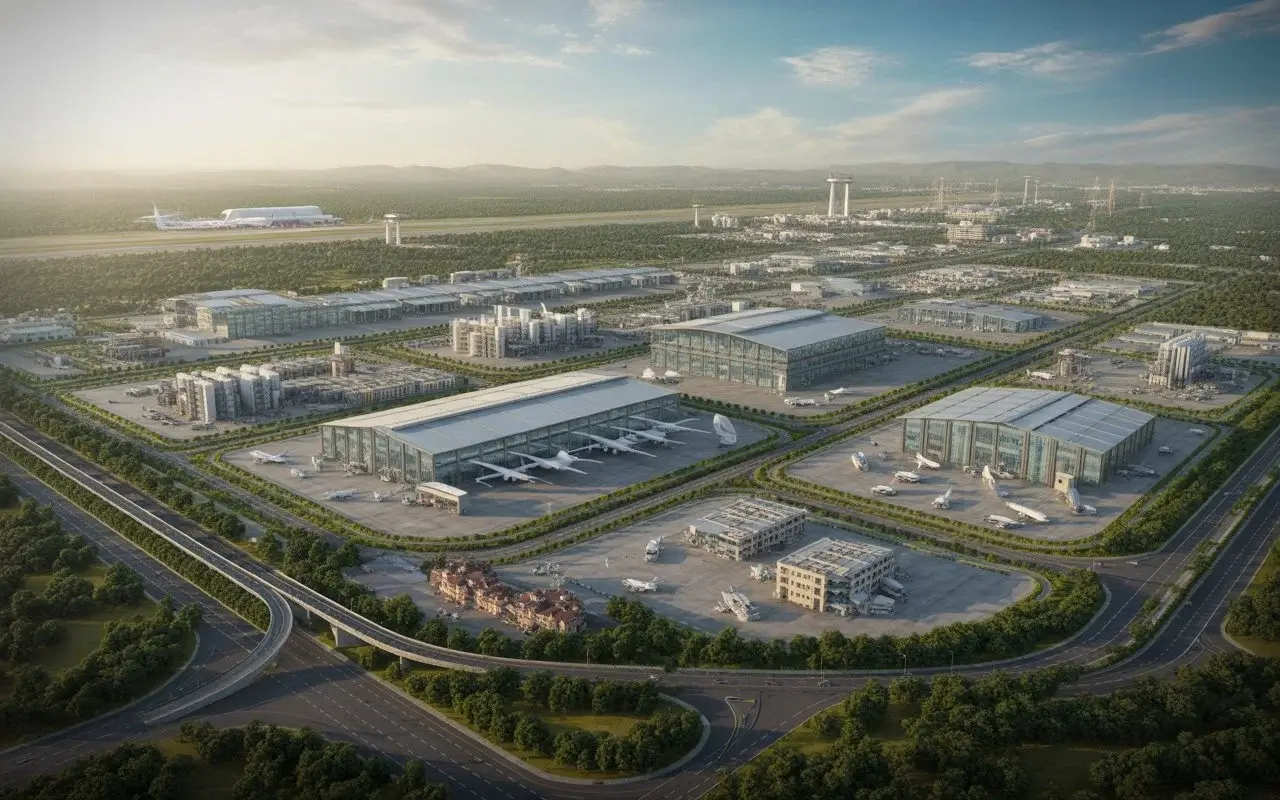
Proximity to Employment Hubs from Tangled Up in Green
Explore villa plots near employment hubs at Tangled Up in Green including Devanahalli Business Park, KIADB SEZ connectivity and how employment proximity supports villa plot investment value.
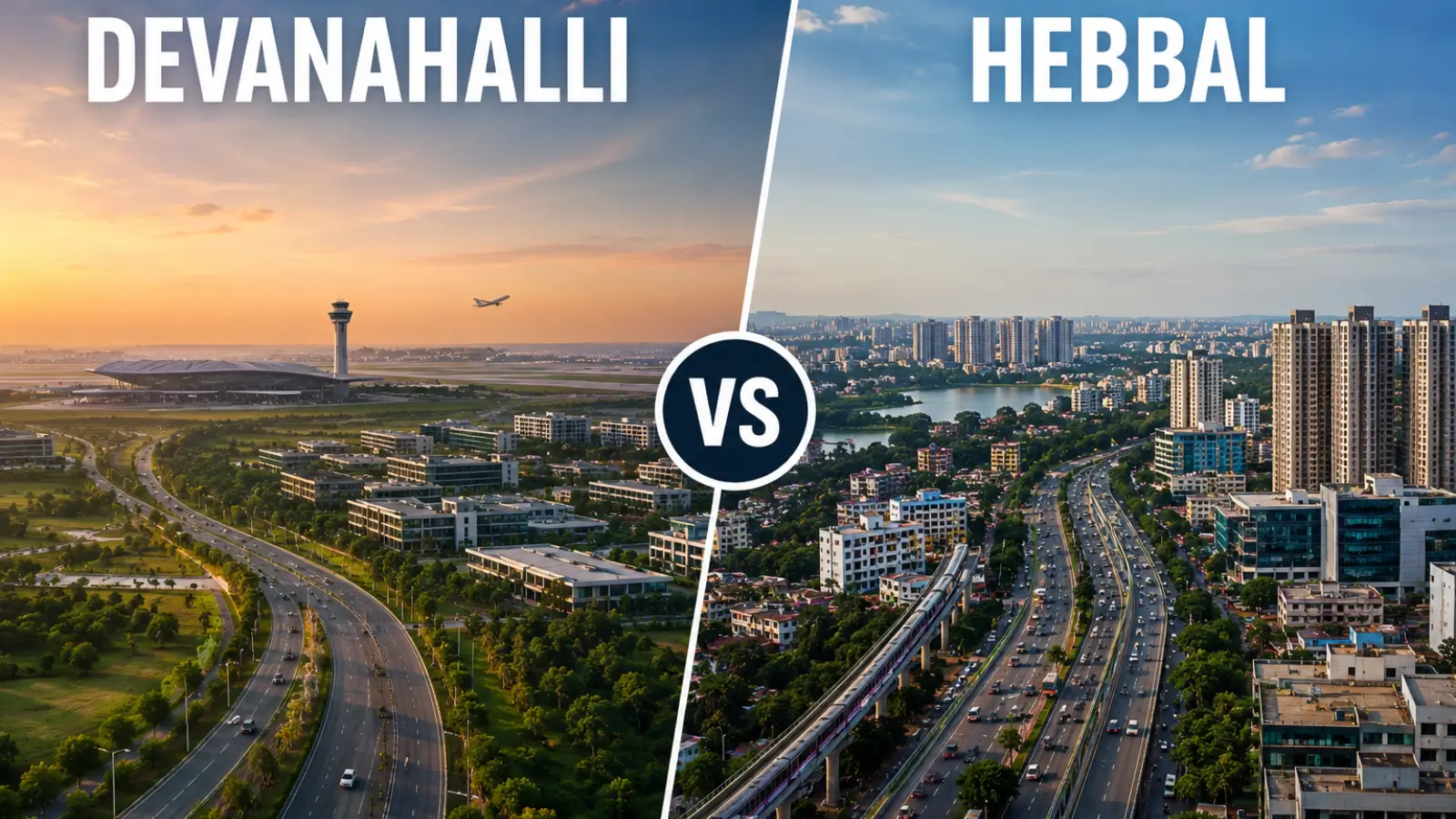
Devanahalli vs Hebbal: Which Is Better for Real Estate?
Compare Devanahalli vs Hebbal real estate covering property prices, growth potential, connectivity differences and which North Bangalore locality offers better value for villa plot buyers.
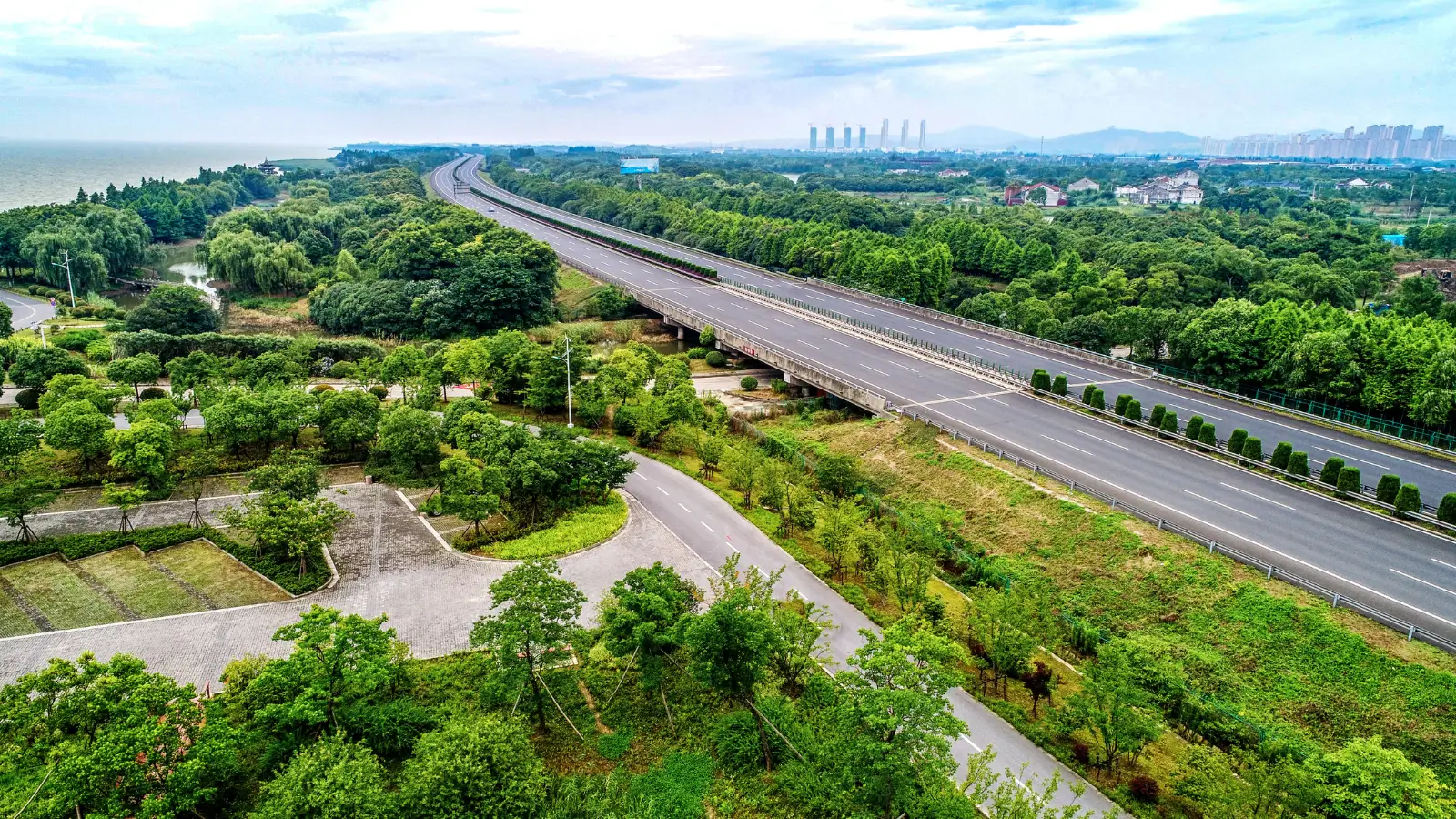
Upcoming Infrastructure Projects in Devanahalli — Complete Guide
Discover all Devanahalli infrastructure projects including metro expansion, STRR corridor updates and upcoming developments transforming this North Bangalore corridor for villa plot investors.
Book a Site Visit —
Master Plan
Share your details and our sales team will reach out shortly to arrange a private walkthrough.